CONCERN 01
Crowding & alignment
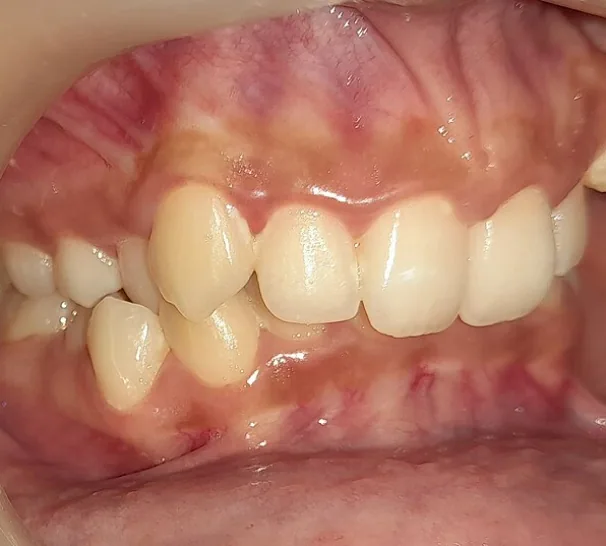
Overlapping or rotated teeth can sometimes be addressed with aligners after full orthodontic assessment.
Your bite, teeth and gum health shape the treatment recommendation. We start with an examination, then discuss the movements an aligner can reasonably achieve.
These educational images illustrate different tooth and bite patterns. They are not before-and-after results or promises of a particular outcome.
Overlapping or rotated teeth can sometimes be addressed with aligners after full orthodontic assessment.
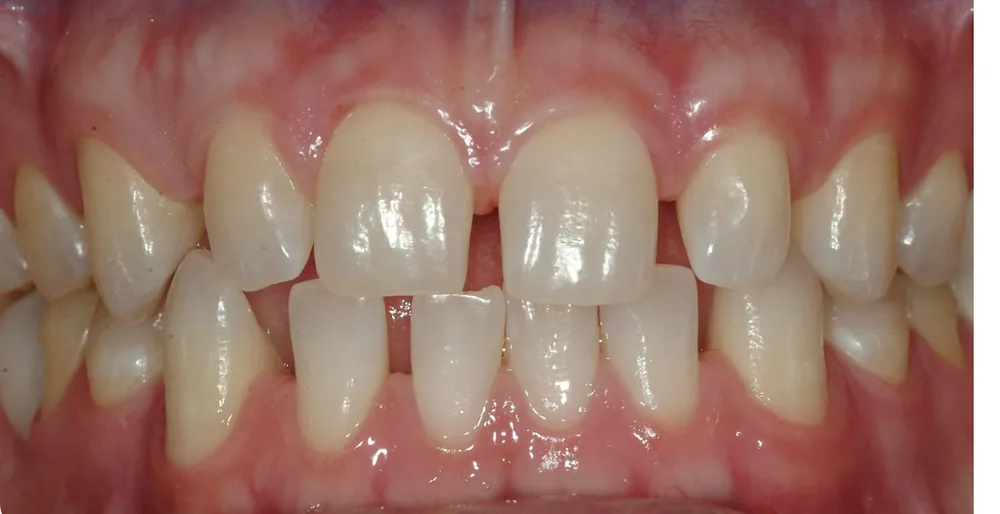
The cause and amount of space affect whether aligners are appropriate and what other care may be required.
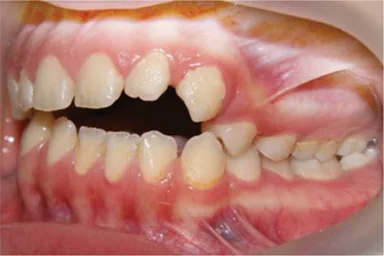
Open-bite patterns require careful diagnosis of teeth, jaw relationships and habits.
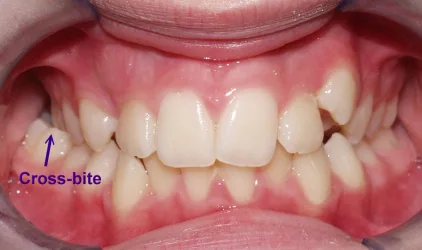
Different types of crossbite need different treatment approaches; not all are suitable for aligners alone.
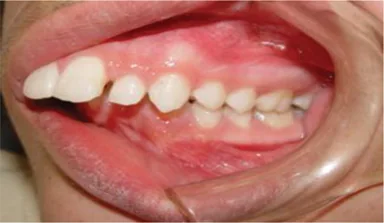
Bite relationships may require fixed appliances, additional procedures or combined treatment.
You don't need to diagnose your own bite. An orthodontic assessment is the right way to understand your options.
Ask our team ↗Clinical photographs illustrate tooth positions for education. They do not establish a diagnosis or predict your results.
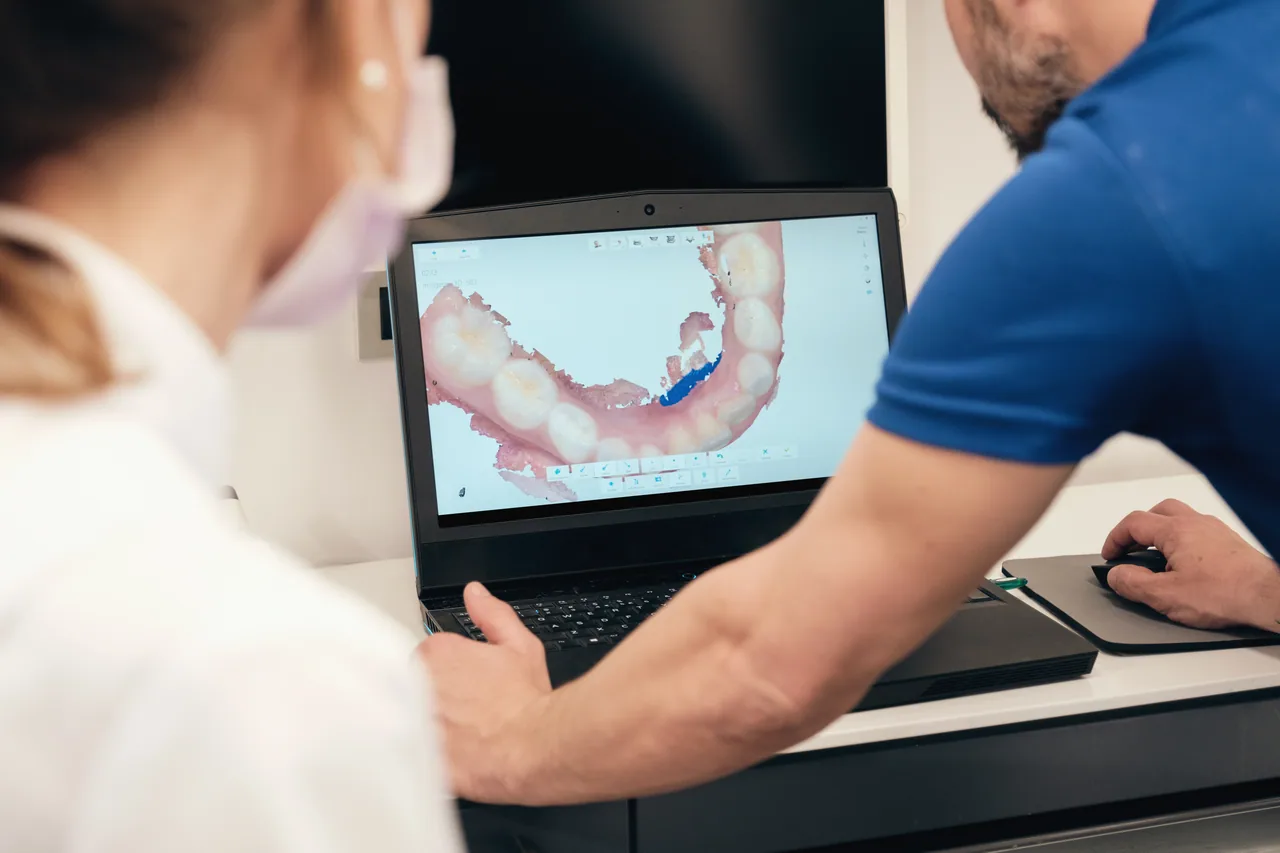
Teeth that appear crowded may also involve bite relationships, gum health, root position or jaw discrepancies. A digital scan is useful, but it is not a substitute for clinical examination.
01 Dental and periodontal assessment
02 Bite and movement assessment
03 Records and treatment discussion
04 Material and appliance selection
Your actual wear schedule is prescribed by the treating orthodontist and may differ by material and case.
Follow the exact wear and change schedule provided for your appliance. If a tray does not fit, call before forcing it.
Clean and store the appliance according to the supplied instructions. Avoid unapproved heat or chemicals.
Progress reviews help your clinician confirm fit, movement, oral hygiene and the need for refinements.
There is no one treatment schedule that suits every patient. These answers provide a starting point, not a personal prescription.
Tell us what concerns you. An orthodontic assessment can help you understand the most suitable options.